
How the Vermilion River Dam Shapes the Landscape and Local Life
Written by: Amy Desrochers, Hannah Martens, and Candice Pieper
On October 15th, 2025, the Bachelor of Applied Science and Environmental Management (BASEM) class from Lakeland College visited the Vermilion Dam, where they met with Carlin Soehn, Operations and Infrastructure Manager, and Dennis Johnson, Operations and Maintenance Team Lead, both of Alberta Agriculture & Irrigation. The group gained insights into the Vermilion Dam’s history and its role in the community, including how it is maintained, along with the benefits it provides to the community.
The discussion highlighted the importance of the dam, explaining how the dam helps to control and reduce flooding, and store water for recreational and agricultural purposes. This hands-on experience provided the group with insights into the roles and importance that dams play in supporting communities.
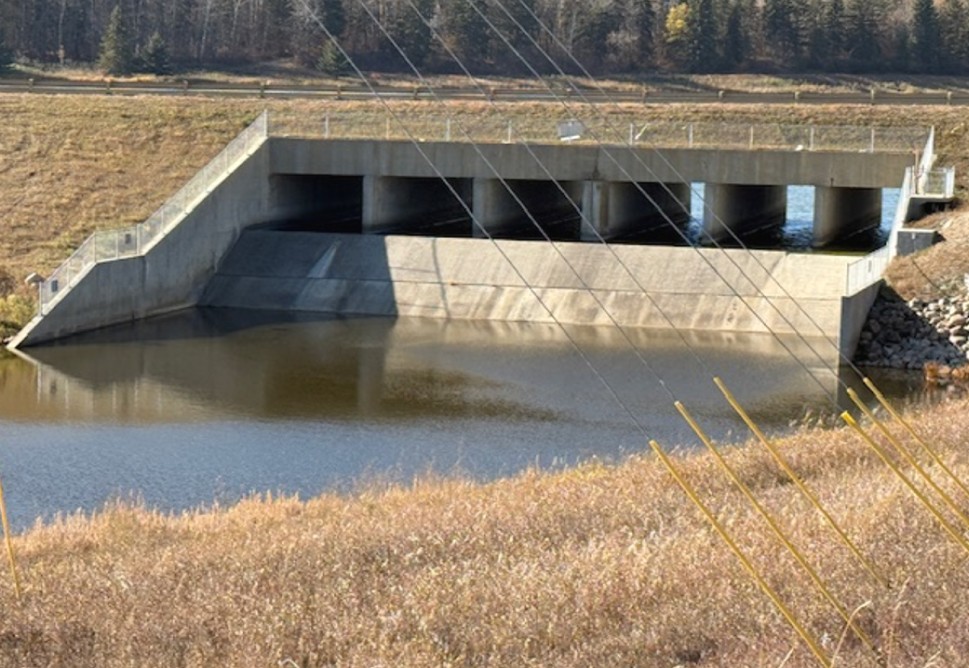
The Vermilion Dam was originally constructed in 1953 about 200 meters (about 656.17 ft) downstream from where the current dam is located. The original dam was located on Pare Drive and was initially built as a water reservoir for cooling purposes. However, due to heavy snowfall and overwhelming water inflow, the original structure failed in 1974. Following the failure of the original dam, construction of the current dam began. The current dam now stretches 500 meters (about 1640.42 ft) long and stands between 10-25 meters high. Highway 41 was paved on top of the completed dam- which is a unique feature to this structure.
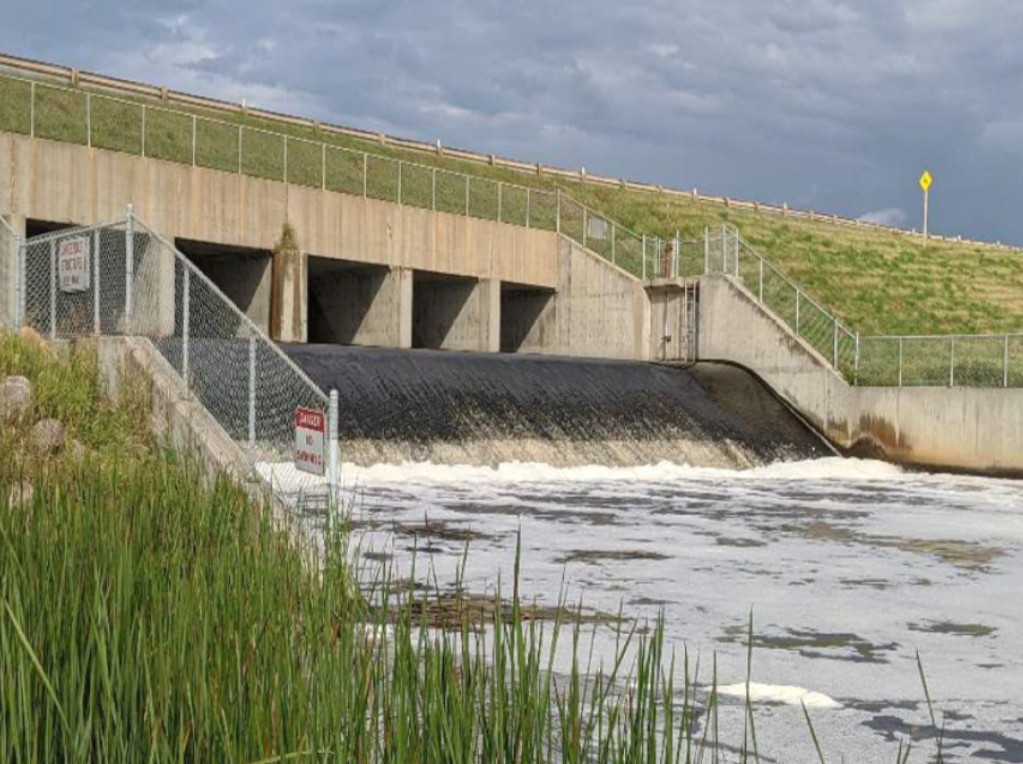
The Vermilion Dam is an earthen dam, or an embankment dam, which is made from natural materials such as soil, sand, and gravel. An earthen dam is a cost-effective way of building a dam. The Vermilion Dam does not have any operating gates, instead it has a fixed spillway, which means water will naturally flow over the crest when the water levels in the reservoir are high. This typically happens during the spring, after the snowmelt, and there is usually no flow in the fall, which is normal as water levels tend to be lower. The design of a fixed spillway allows for a low maintenance system that manages water without human or mechanical aid. The spillway supports a maximum of 170 cubic meters (about twice the volume of a one car garage) per second of water to flow through, but the average flow is usually less than 3 cubic meters per second. The dam also includes a riparian notch, which allows water to flow even at lower elevations, helping to support water movement during periods of low water levels. This ensures that downstream of the structure still receives the water that is required. The riparian notch includes an elevation drain which can be controlled for water release, along with a low-level outlet gate located on the north wing of the dam, which allows water to be released when needed or requested. Though not often utilized, this ensures that water is available for cattle and farm operations.
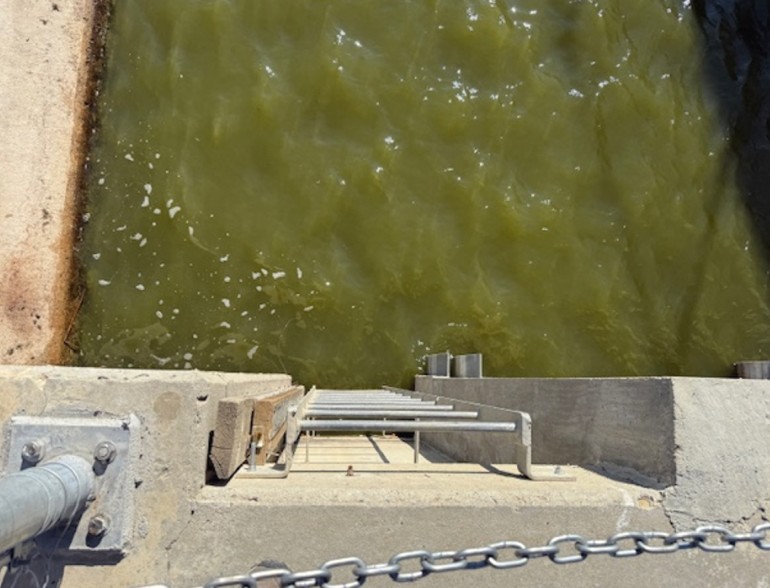
Carlin and Dennis then taught the group about ROV’s, also known as Remote Operated Vehicles. ROV’s play an important role in maintaining dams, they are used in culverts and dams to identify any cracks, blockages, or structural damage. Every 5 to 10 years, professional divers are hired to do a more thorough inspection on the dam to check for any structural damage.
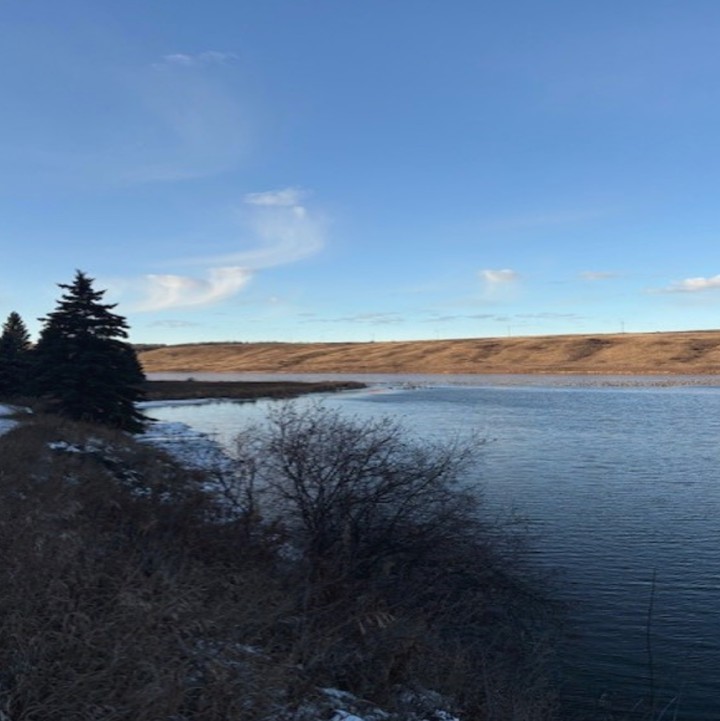
While the Vermilion Dam may not be used to supply water for the town itself, it does provide the town with a beautiful recreational area. Upstream of the dam is Vermilion Provincial Park, which is loved by locals and visitors alike. The Vermilion Provincial Park provides camping along the river, kilometers of trails, and a place for fishing, boating, and sailing. It’s even where Vermilion College’s very own rowing team practices! While not only providing a recreational area for people, upstream of the dam also provides habitat for many aquatic species. Beavers, muskrats, and waterfowl all make themselves at home along the banks Vermilion River in the Provincial Park.
The Vermilion Dam has been a vital part of the community for many years, by supporting water management, natural habitats, and recreation. Through continuous stewardship, monitoring, and maintenance, the dam can continue to provide benefits for people and wildlife. Whether you’re a local resident, or just passing through, take a moment to stop by the Vermilion Provincial Park to see all the benefits that the Vermilion Dam provides!

Amy Desrochers, Hannah Martens, and Candice Pieper are students in teh Bachelor of Applied Science in Environmental Management program at Lakeland College. They wrote this blog as part of their Aquatic Habitat Protection Course to bring awareness to the history and significance of the Vermilion River Dam.